Every roofing material sold in Colorado is a trade-off between up-front cost, hail behavior, wind resistance, and lifespan. Here’s the comparison we walk homeowners through at kitchen tables across the metro — including the parts each material’s marketing brochure leaves out.
Architectural asphalt shingles: the default for a reason
The case for: Lowest installed cost, every crew knows how to work with them, huge color selection, and modern Class 4 impact-resistant versions hold up respectably in hail — well enough that most Colorado insurers discount premiums for them. Repairs are cheap and color-matchable.
The honest caveats: High-altitude UV is brutal on asphalt. A “30-year” shingle in Denver realistically delivers 18–22 years, less on south-facing slopes. Standard (non-Class 4) shingles in Hail Alley are a false economy — you will use your deductible.
Choose asphalt when: budget leads, you may sell within a decade, or your HOA specifies it. Spend the modest upgrade to Class 4; it’s the best money-per-year decision in roofing here.
Standing-seam metal: the wind-and-longevity play
The case for: 40–50 year service life, the best wind performance available (a serious argument in Boulder and any foothill-exposed neighborhood), sheds snow willingly, doesn’t care about UV, and reflects summer heat. Concealed fasteners mean no gasket washers drying out in the sun — the failure mode of cheaper screw-down metal panels.
The honest caveats: Roughly double the cost of asphalt installed. Large hail can cosmetically dent panels — it rarely causes leaks, but “cosmetic damage” is precisely what many insurance policies exclude for metal, so read that endorsement before you buy. Quality depends heavily on installer skill; panel layout and clip spacing are engineering, not decoration.
Choose metal when: you’re staying 15+ years, wind exposure is real, or you’re done re-roofing after every major storm cycle.
Concrete and clay tile: the 50-year aesthetic
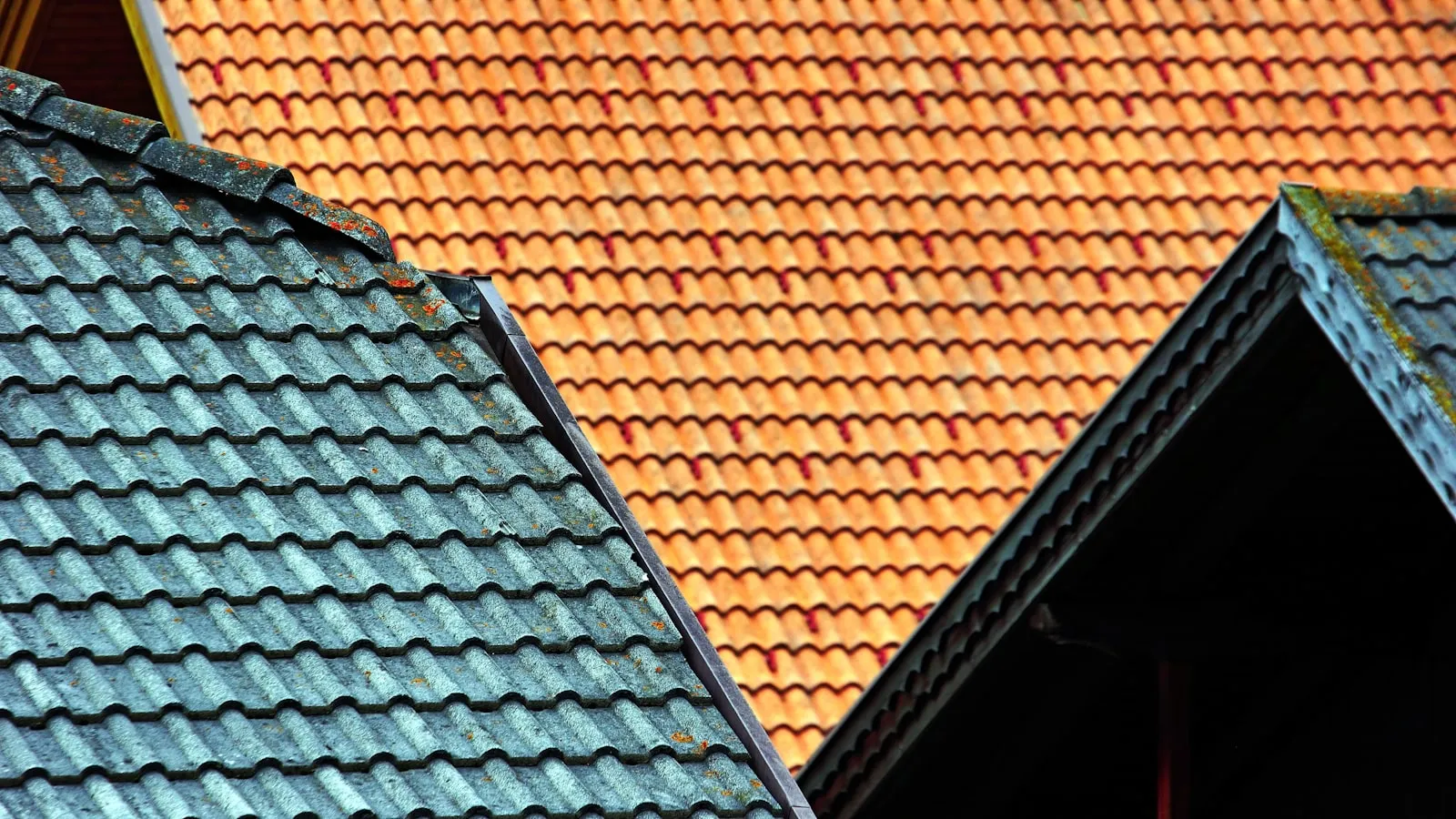
The case for: Lifespans measured in half-centuries, genuine fire resistance, and a look nothing else replicates. Concrete tile handles freeze-thaw well when properly made and flashed.
The honest caveats: Weight — several times asphalt — means a structural review before it goes on a home not framed for it. Large hail breaks tiles (they’re strong against weather, brittle against point impact), and walking a tile roof for any other trade’s work breaks more. The underlayment beneath tile has its own 25–30 year clock and replacing it means lifting the field.
Choose tile when: the architecture calls for it, the structure supports it, and the budget includes maintaining it properly.
The comparison in one table
| Factor | Class 4 Asphalt | Standing-Seam Metal | Concrete Tile |
|---|---|---|---|
| Installed cost | $ | $$ | $$–$$$ |
| Realistic lifespan here | 18–22 yrs | 40–50 yrs | 50+ yrs (underlayment sooner) |
| Hail behavior | Good (Class 4) | Dents, rarely leaks | Breaks under large stones |
| Wind behavior | Good, spec-dependent | Excellent | Good when fastened right |
| Insurance angle | Premium discounts | Cosmetic-damage exclusions | Higher repair claims |
What we’d put on our own houses
For most metro homes: Class 4 architectural asphalt, installed with the ventilation and flashing details done right — it’s the best value curve in this climate. For wind-exposed foothill homes and owners planning to stay decades: standing-seam metal, engineered rather than just installed. Tile: when the house was born for it.
The right answer is ultimately roof-specific. A free inspection puts real numbers next to each option for your actual structure — which beats any table, including ours.